


jawai leopard safari
- HotelJawai Doesn't Have a Tiger. That's Exactly Why It's Worth Going
Ranthambore gets the coverage. The tiger photographs, the safari jeep queues, the resort bookings that fill six months in advance, the wildlife tourism machine that has been running at full capacity for decades. All of it justified, Ranthambore is genuinely extraordinary.
But the Jawai leopard safari is a different conversation entirely.
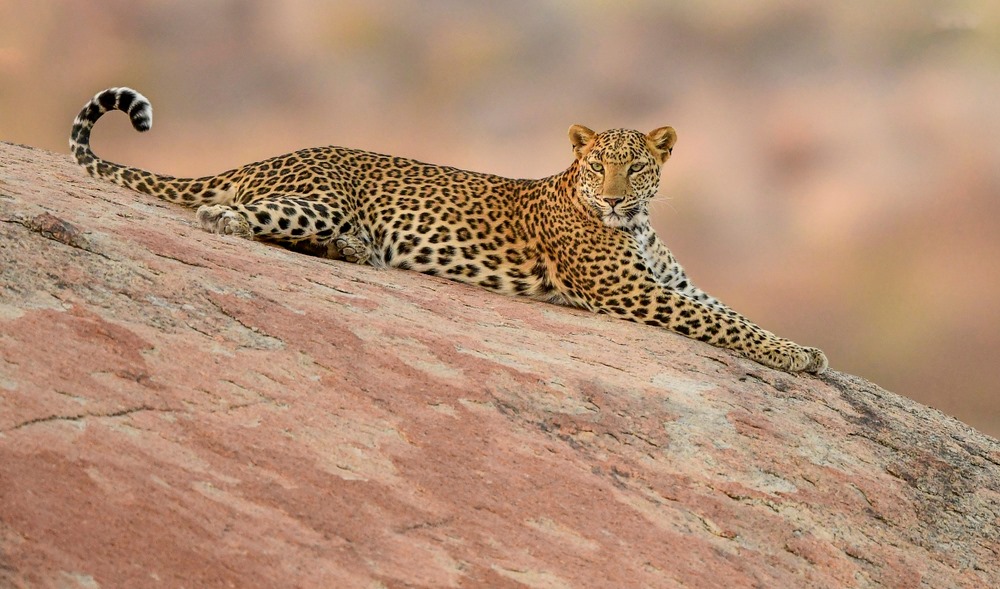
Jawai, in Rajasthan's Pali district, holds one of the most unusual wildlife situations in India. Leopards living in open granite rock formations, completely visible, completely habituated to human presence, moving through a landscape that also contains Rabari shepherds, their flocks, and village communities that have been coexisting with these animals for generations. No forest. No dense cover. Rocky terrain, open sky, and leopards sitting on boulders in full view of the safari jeep twenty metres below.
The photographs from Jawai look different from every other leopard destination in India. Because Jawai looks different from every other leopard destination in India.
Why the Leopard Situation Here Is Unlike Anything Else
Leopards in most Indian reserves are forest animals, secretive, largely nocturnal, the sighting a matter of the right jeep track at the right hour. Jawai leopards are rock animals. The Aravalli granite formations create a landscape of boulders and ridges where the cats rest, survey their territory, and raise cubs in conditions that are visible rather than concealed.
The human-leopard coexistence at Jawai is the detail that wildlife researchers have been quietly studying for years. The Rabari pastoral community, whose herds move through the same terrain, has lived alongside these animals without significant conflict through a relationship that evolved over generations rather than through any conservation programme. The leopards are present in densities that the habitat shouldn't theoretically support, and the reason appears to be the mutual accommodation that the community and the cats arrived at independently.
A Jawai leopard safari puts the observer inside this relationship rather than behind a fence looking at it. The granite, the shepherds, the flocks, the leopards on the rocks above, the safari covers all of it simultaneously rather than isolating the wildlife from its context.
The Jawai Landscape Beyond the Leopard
1. The Jawai Bandh
The reservoir that anchors the region's water supply, pulls migratory birds in significant numbers. Flamingos in season. Various waterfowl species. Crocodiles on the banks. The birding at Jawai is consistently underrated because the leopard conversation dominates, but the reservoir and surrounding habitat produce species lists that birders travel specifically for.
2. The Rabari community deserves the attention that the wildlife sometimes absorbs.
Semi-nomadic pastoralists with a distinctive cultural identity, their embroidery, their jewellery, their relationship to the land they move through, these are accessible through village visits that the right resort incorporates as part of the Jawai experience rather than as an optional extra.
3. Sunrise and sunset over the Aravalli rock formations produce the kind of light that landscape photographers build dedicated trips around.
The granite catches the golden hour differently from any other terrain in Rajasthan, warm, textured, the leopards occasionally still visible on the upper rocks when the light is at its best.
Jawai Palash Resort by Alivaa: The Stay That Fits the Landscape
Part of the Alivaa Hotels & Resorts portfolio. Located near Jeevda village, Bali, in the Jawai region, surrounded by the same Aravalli hills and granite formations that the leopards inhabit, close enough to the safari zones that early morning departures don't require a long transit before the sighting begins.
The accommodation runs villa-style rather than standard hotel rooms, three categories that each approach the landscape differently. Villas with private jacuzzi for the premium stay where the forest view arrives before breakfast. Spacious villas with private patio and sit-out, approximately 700 square feet, designed for couples and leisure travellers who want the wilderness without sacrificing comfort. Mud houses inspired by traditional Rajasthani village architecture, local materials, considered design, the kind of room that makes the surrounding landscape feel like an extension of the accommodation rather than a view from it.
The pool sits within garden and open spaces that make it usable as a midday retreat during the warmer months when the afternoon safari gap needs filling. Bonfire setups for evenings when the Jawai sky does what desert skies do without light pollution competing. A Baithak, a traditional gathering space, for the informal evenings and small group meetings that intimate resort stays produce naturally.
Dining runs vegetarian-focused, buffet and à la carte, the kitchen using local ingredients in a way that makes the meals reflect the region rather than a generic resort menu. The food is the right complement to a day spent in open terrain, not fine dining, but the honest, fresh, regionally grounded cooking that sustains the pace of a wildlife trip.
The Jawai leopard safari is the centrepiece. But the resort builds an experience around it rather than relying on the safari to carry the entire stay. Village visits to the Rabari community. Birdwatching. Sunrise viewpoints over the granite formations. Wilderness walks in the hours between safaris. The Jawai landscape in full rather than the two-hour window the jeep provides.
For wildlife photographers, the boulder terrain, the open visibility, the consistent leopard activity, Jawai Palash's location puts the shooting position within reach of the morning and evening light that defines the best images from this region. For couples and honeymooners, the villa categories, the silence, and the Rajasthan sky after dark produce the specific combination that slow-travel stays are built around.
Ending Thought
The Jawai leopard safari is the reason most people discover this corner of Rajasthan. Leopards on open granite, Rabari shepherds below, the coexistence visible and real rather than managed through separation. It's one of the genuinely unusual wildlife experiences available in India, less famous than it should be, which at the moment means the jeep queues are shorter and the landscape is quieter than Ranthambore in October.
Jawai Palash Resort by Alivaa sits inside that landscape rather than adjacent to it. Villa stays, wilderness walks, village culture, the Aravalli formations at sunrise. The Jawai leopard safari is what brings people to this region. The resort is the reason they stay longer than planned.
Leave a Reply
Your email address will not be published.